Nurturing Your Mini Ecosystem
Expert tips and straightforward advice to ensure your enclosed landscapes and moss art remain vibrant for years to come.
Understanding Microclimates
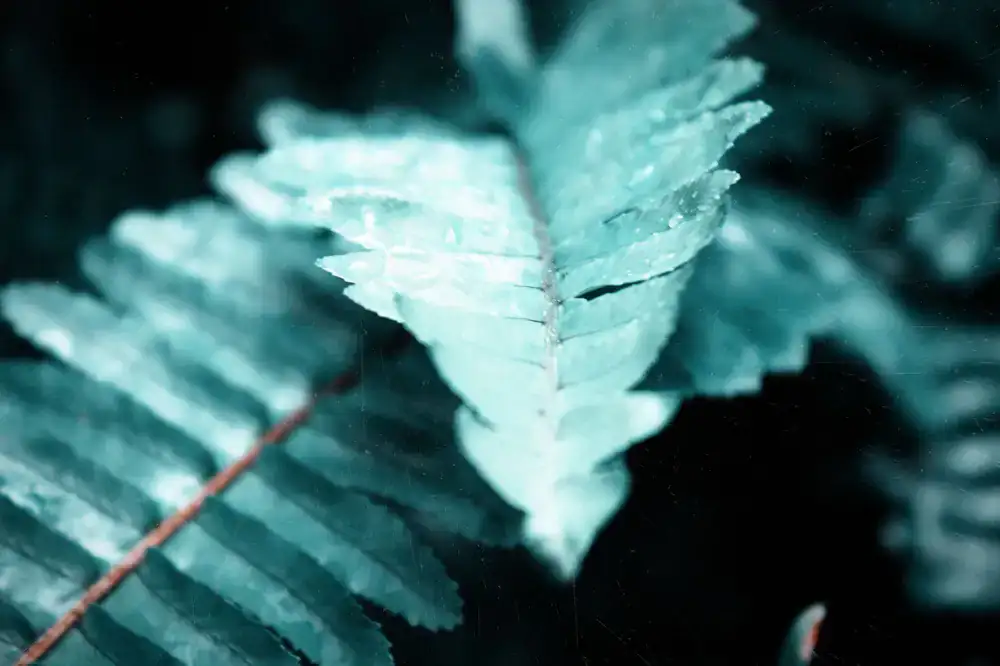
Every closed glass vessel develops its own unique weather system. During the day, moisture gently evaporates from the soil and plants, condensing on the cool glass walls. As temperatures drop in the evening, this condensation "rains" back down into the substrate.
Because of this self-sustaining cycle, your moss and tropical plants require very little external watering once established. The true secret to long-term success isn't constant tinkering, but rather finding the perfect balance of indirect light and minimal intervention.

Step-by-Step Maintenance
Finding the Right Light
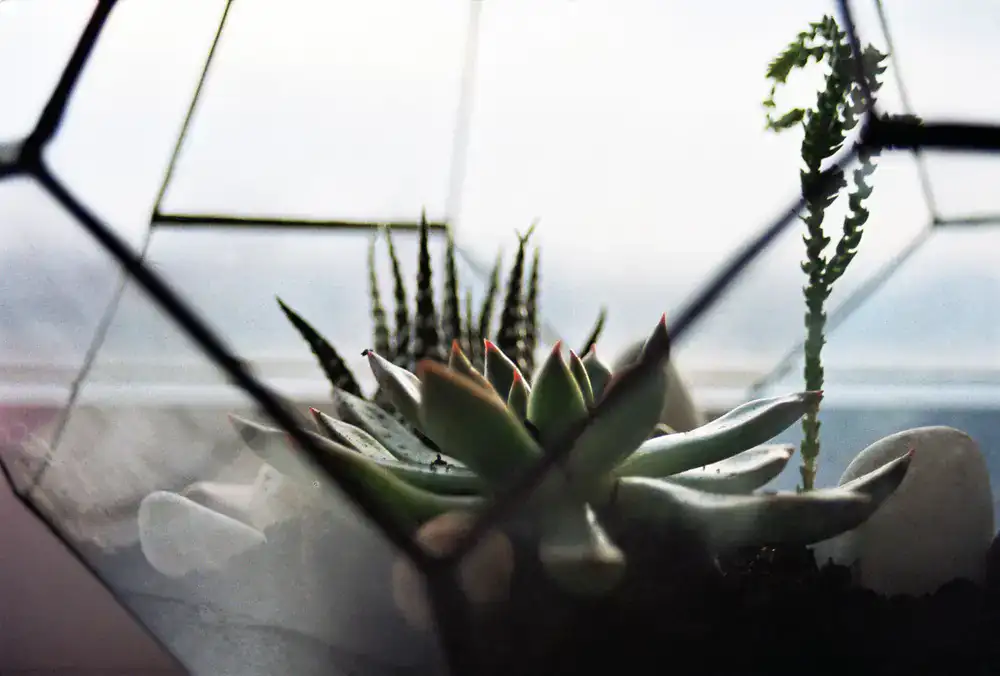
Your miniature ecosystem thrives on bright, indirect light. Direct sun acts like a magnifying glass, quickly overheating the interior and damaging delicate foliage. A north or east-facing spot is typically the safest environment for steady growth.
Mindful Watering
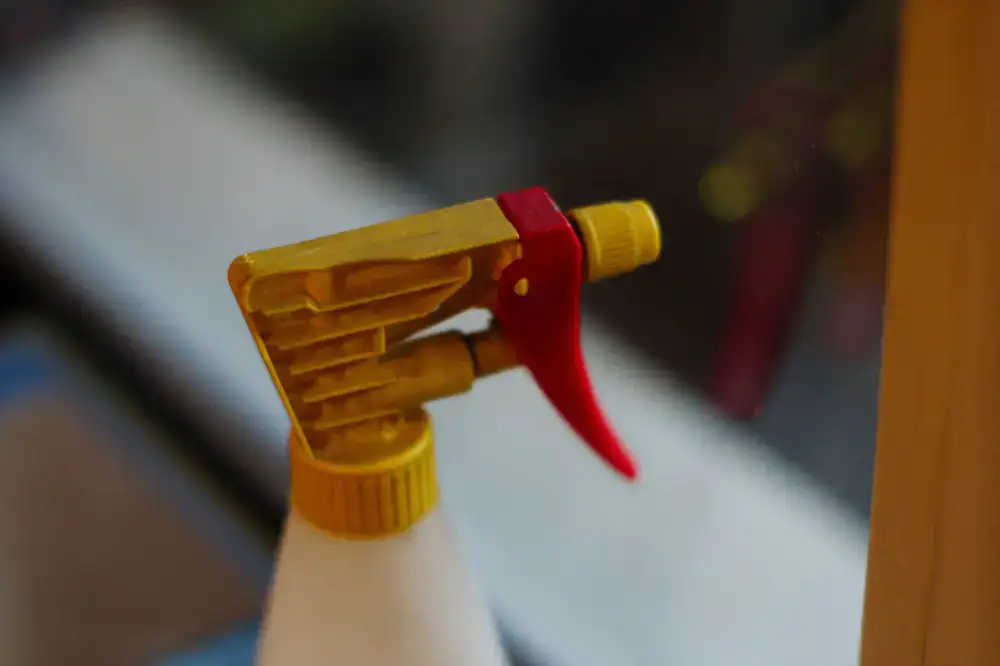
Closed vessels rarely need top-ups. When the soil looks completely dry or morning condensation vanishes entirely for several days, add very small amounts of filtered or rainwater. Always use a fine mist to prevent waterlogging the drainage layers.
Gentle Pruning
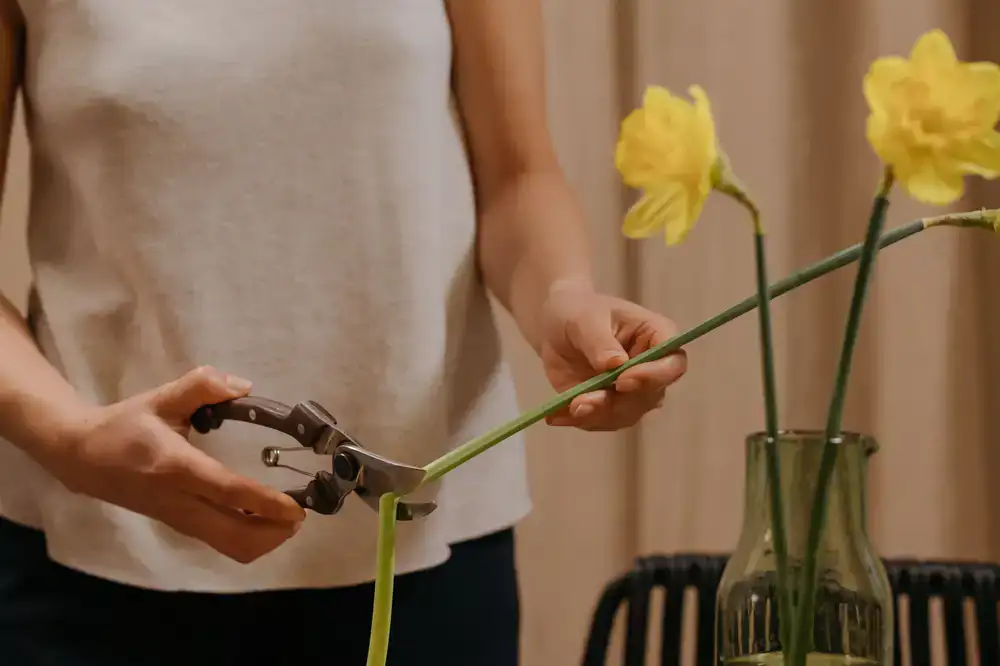
As your plants establish themselves, they may press against the glass or block vital light from reaching lower moss layers. Periodically trim excess growth with clean, sharp tools to maintain the landscape's intended shape and promote healthy air circulation.
Common Warning Signs
Even the most carefully balanced ecosystems occasionally need a slight adjustment. Here is how to read what your plants are telling you.
Need personalized advice?
Heavy Condensation
If you cannot see through the glass at any point in the day, the vessel holds too much moisture. Leave the lid off for a few hours to let excess water naturally evaporate, then reseal.
White Fuzz or Mold
Usually a sign of overwatering combined with poor air circulation. Remove affected leaves immediately with tweezers. Keep the lid slightly ajar for a day to reduce humidity levels.
Yellowing Leaves
Yellowing foliage often points to soggy roots caused by excess water pooling in the drainage layer. It can also indicate prolonged exposure to direct sunlight. Adjust placement first.
Fading Moss
If your vibrant green moss turns brown or crispy, it is too dry. Lightly mist the surface. However, if it turns dark brown or mushy, the environment is too wet and needs airing out.
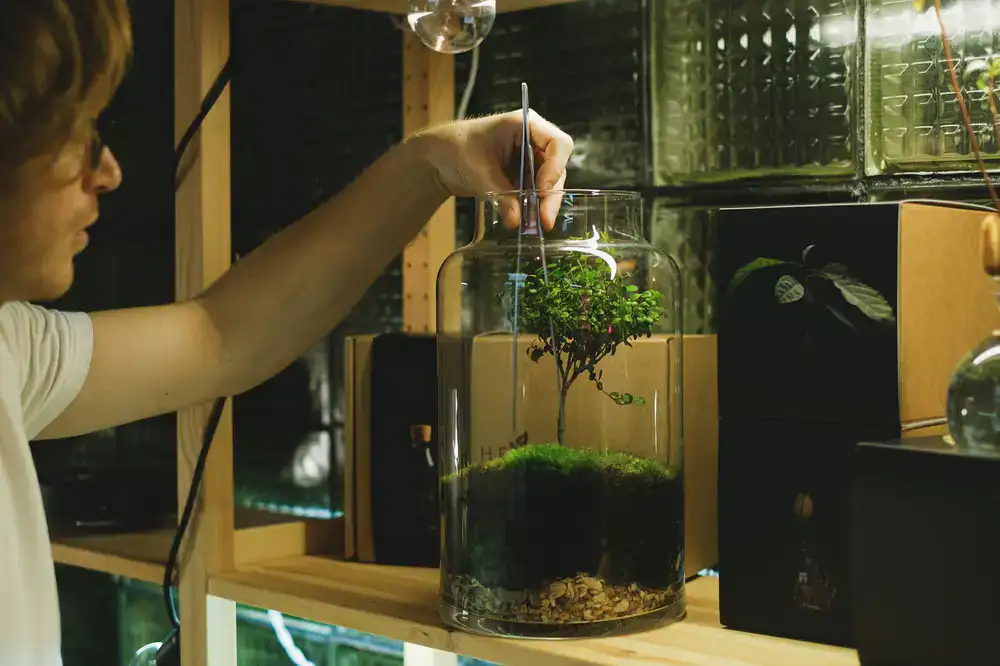
Precision Tools for Tiny Worlds
Maintaining a miniature ecosystem requires the right instruments. Discover our curated collection of long-reaching scissors, specialist tweezers, and custom soil blends designed specifically for delicate glass enclosures.
Browse Care Tools